Baking bread is not just about flour and water — it is an act of patience, presence, and love. In a cottage kitchen, where time slows and attention deepens, the process of baking becomes almost meditative. It begins with humble ingredients and ends with nourishment, but the true magic happens in the middle — in the messy, warm-hearted moments where hands meet dough.
I learned to bake not from a cookbook, but from memory — the memory of my grandmother’s hands working gently, methodically, dusted in flour and always humming softly. She never measured precisely. Instead, she listened: to the dough, to the temperature, to the rhythm of her own breath.
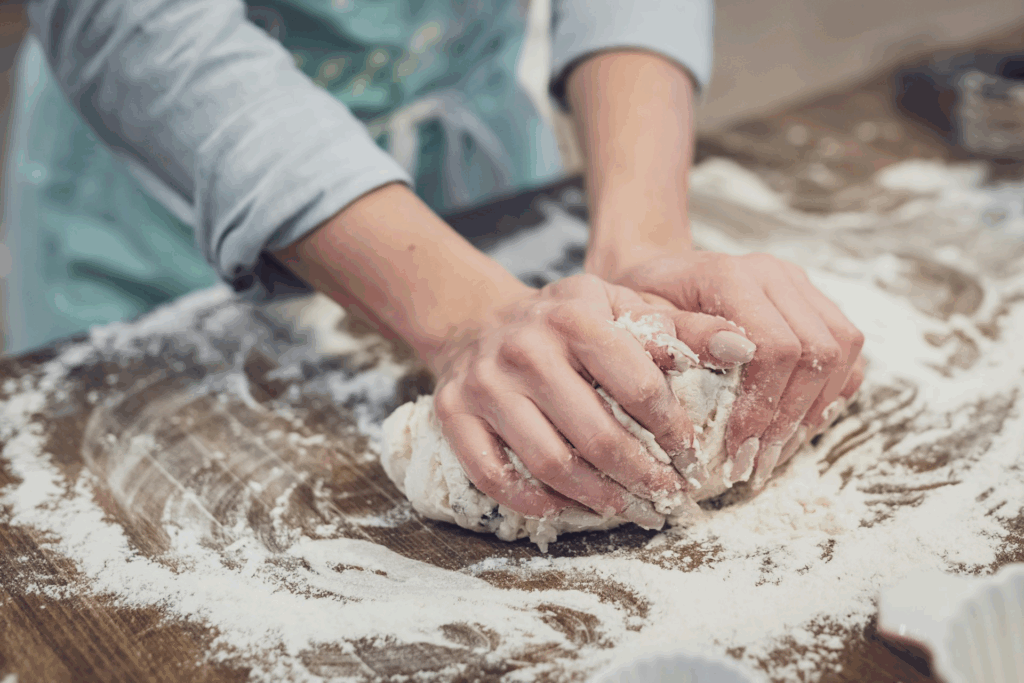
I follow the same approach. My recipe is simple: strong white flour, lukewarm water, a bit of salt, and a spoonful of sourdough starter I’ve kept alive for years. But I don’t rush. First, I mix, then let it rest. Then comes the kneading — slow, steady, folding the dough into itself as if gathering thoughts. This part feels most human to me. It’s a conversation between you and what you’re making.
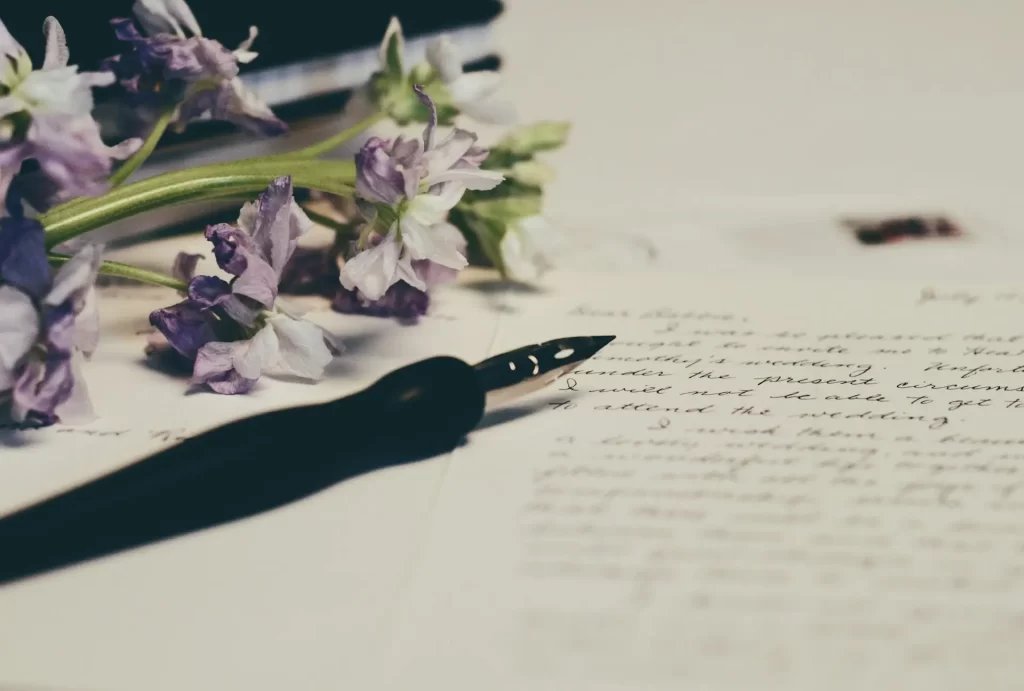
As the dough rises in a linen-lined bowl, I often find myself writing a note, pressing flowers, or just watching the garden. The dough does not need watching — it only needs time.
Later, when the loaf goes into the oven, the house fills with a smell so full and honest that I feel it in my chest. There is nothing quite like it — the warm, almost honeyed scent of bread becoming bread.
I believe in imperfect loaves. Burnt crusts, uneven scores, lopsided shapes — they are part of the charm. They show a human hand was involved. Bread should never be clinical. It should be alive.
If you’ve never baked before, don’t be intimidated. Begin simply. Touch the dough often. Learn its texture. Keep notes if you like — not just of ingredients, but of feelings: how the air smelled that day, what you were listening to, the moment it rose higher than expected.
And remember: even if your loaf is dense or overbaked, the ritual still matters. You made something. You tended to it. You fed yourself.
To bake bread like you mean it, you must let go of hurry. You must trust the process. You must be willing to wait.
And in that waiting, you’ll find more than just food.
You’ll find yourself.